How to Open a Limited Company in UK as a Foreigner: A Simple Guide

So, you have a brilliant business idea and you’ve set your sights on the British market. That is awesome! But then the doubt creeps in. You aren’t a resident, you don’t live in London, and you might not even have a visa. You are probably asking yourself: Can I really open a limited company in UK as a foreigner?
The short answer? Absolutely, yes! The UK is one of the most business-friendly places on the planet, and they don’t discriminate based on where you live or what passport you hold. Whether you are a digital nomad in Bali or an entrepreneur in New York, setting up shop in the UK is surprisingly straightforward.


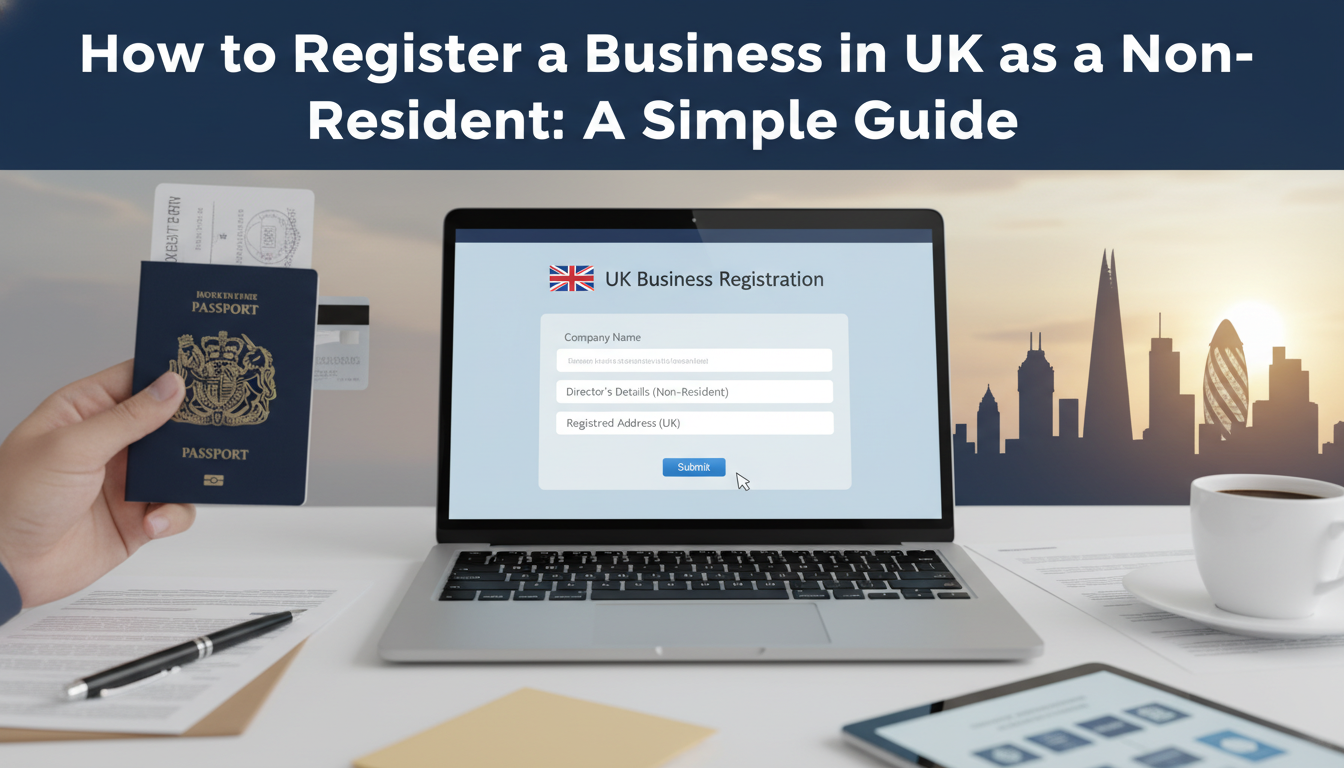


In this guide, we will walk you through exactly how to open a limited company in UK as a foreigner without getting a headache from all the legal jargon. Let’s dive in!
Can You Really Open a Limited Company in UK as a Foreigner?
Let’s bust a myth right off the bat. You do not need to be a UK resident to be a director or shareholder of a UK company. In fact, thousands of non-residents open a limited company in UK as a foreigner every single year. The British government wants foreign investment, so they have kept the barriers to entry very low.
You can do everything online, from the comfort of your couch. You don’t need to book a flight to Heathrow just to sign a piece of paper.
What You Need to Get Started
Before you rush off to register, you need to have your ducks in a row. Here is a checklist of the essentials you need to open a limited company in UK as a foreigner:
- A Company Name: It must be unique and not offensive. You can check availability on the Companies House website.
- At Least One Director: That is likely you. You must be 16 or older.
- At Least One Shareholder: Again, this can be you. You can be the sole director and sole shareholder.
- A Registered Office Address: This is the tricky part. You cannot use a PO Box. It must be a physical address in the UK. However, don’t worry—you don’t need to rent an expensive office. You can use a Virtual Office service or an accountant’s address to satisfy this requirement.
- SIC Code: This is just a code that describes what your business does.
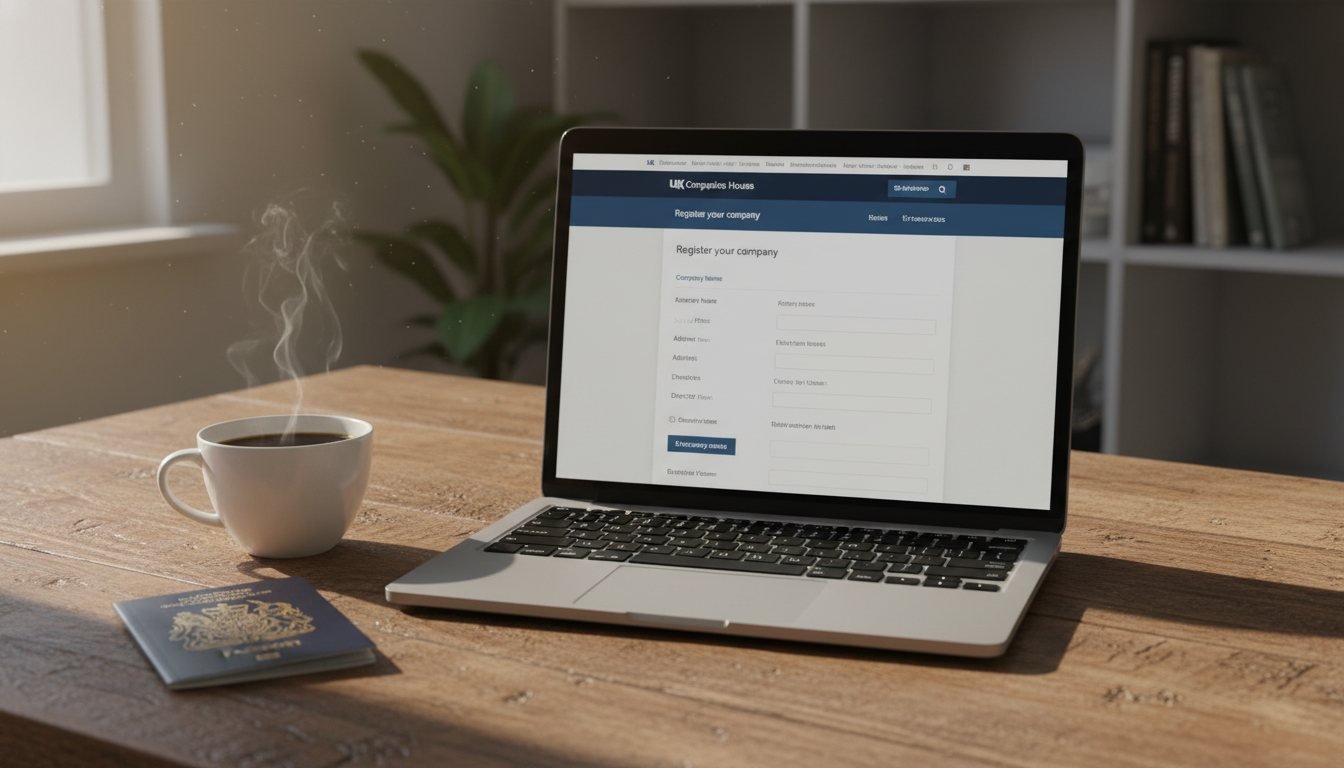
The Step-by-Step Registration Process
Ready to pull the trigger? Here is how the process actually looks when you decide to open a limited company in UK as a foreigner.
1. Register with Companies House
This is the official registrar of companies in the UK. You can register online for a fee of just £12 (correct as of writing). It usually takes about 24 hours to get approved. During this process, you will provide your details and your registered UK address.
2. Prepare Your Documents
You will need a Memorandum of Association and Articles of Association. If you register online, standard versions of these are created for you automatically. Easy peasy.
3. Register for Corporation Tax
Once your company is set up, you need to tell HMRC (Her Majesty’s Revenue and Customs) that you are active. You usually have three months to do this after starting business activities.
The Banking Challenge
While it is easy to open a limited company in UK as a foreigner, opening a traditional high-street business bank account (like with Barclays or HSBC) can be a nightmare if you aren’t physically present in the UK. They often require face-to-face meetings.
The Solution: Fintech! Services like Wise (formerly TransferWise), Revolut Business, or Tide are lifesavers. They allow you to open a UK business bank account (sort code and account number included) completely online. This is usually the best route for non-residents.
Do I Need a Visa?
This is a common point of confusion. Owning a UK company does not automatically give you the right to live or work in the UK.
- To Own the Company: No visa required.
- To Live in the UK and Run It: You will likely need a visa (like the Innovator Founder visa).
If you plan to run your business remotely from your home country, you generally do not need a UK visa.
Final Thoughts
Expanding your business globally doesn’t have to be scary. When you choose to open a limited company in UK as a foreigner, you gain credibility, access to a massive market, and a tax-efficient business structure. Just remember to get a solid UK registered address and look into fintech solutions for your banking needs. Good luck!