The Ultimate UK Business Setup Guide for Expats: Kickstart Your Dream

So, you’ve got a killer idea, a laptop, and a dream of conquering the British market? That is fantastic news! The UK is a global hub for innovation, finance, and creativity, making it a prime spot for international entrepreneurs. However, if you are new to the country, navigating the red tape can feel a bit like trying to understand cricket rules for the first time—confusing and slightly overwhelming.
Don’t worry, though. We have got your back. Whether you are already living in London or planning your move from abroad, this UK business setup guide for expats is designed to walk you through every step of the process. Let’s turn that business plan into reality without the headache.





Why the UK is Great for Expats
Before we dive into the nitty-gritty, let’s look at why you are making the right choice. The UK ranks highly for ease of doing business. The time zone allows you to trade with Asia in the morning and the US in the afternoon. Plus, the startup ecosystem here is vibrant, diverse, and incredibly supportive.
Your Step-by-Step UK Business Setup Guide for Expats
Starting a business here is actually more straightforward than in many other European countries. You can often get registered within 24 hours! But as an expat, there are a few extra hurdles to jump over. Here is how to do it.
1. Check Your Legal Status (Visas)
This is the big one. Before you print business cards, you need to ensure you are legally allowed to run a business here. If you are already a resident with Indefinite Leave to Remain (ILR) or settled status, you are generally good to go.
If you are coming from outside the UK specifically to start a company, you will likely need the Innovator Founder Visa. This replaced the old Start-up and Innovator visas. You will need an endorsement from an approved body showing your business idea is new, innovative, and scalable.
2. Choose Your Business Structure
In our UK business setup guide for expats, this is a critical decision point. You generally have three main options:
- Sole Trader: You run the business as an individual. It’s simple, but you are personally liable for debts.
- Limited Company (Ltd): The business is a separate legal entity. This is the most popular choice for expats because it limits your personal liability and can be more tax-efficient.
- Partnership: Two or more people share the profits and risks.
Most expats opt for a Limited Company because it looks more professional to clients and offers better protection.

3. Pick a Name and an Address
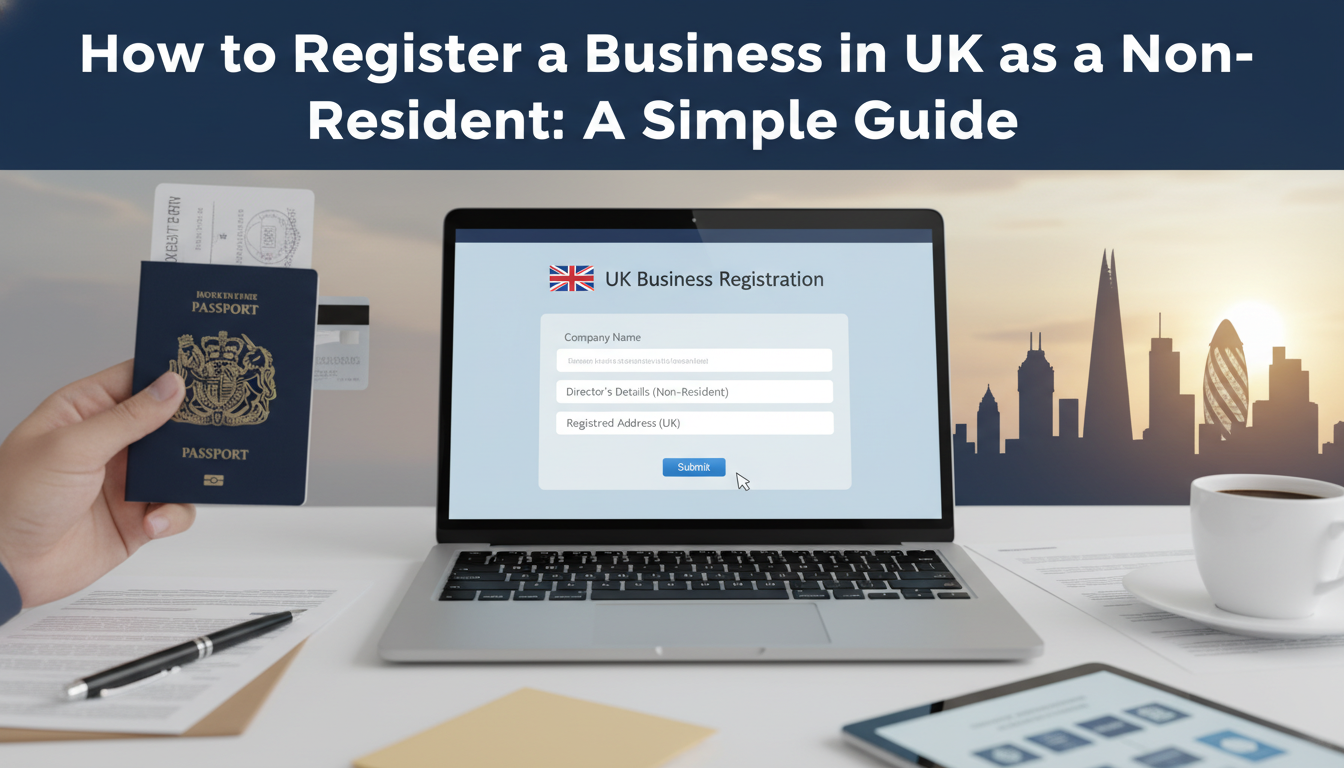
You need a unique name. No copycats allowed! Check the Companies House register to ensure your chosen name isn’t taken. You will also need a registered UK office address. If you don’t have a physical office yet, don’t panic. Many accountants and virtual office services offer a registered address service for a small annual fee.
4. Register with Companies House
If you are going the Limited Company route, you must register with Companies House. You can do this online for a very small fee (usually £12). You will need to provide details about the directors and shareholders. This is usually the fastest part of this UK business setup guide for expats—you often get your certificate of incorporation the same day!
5. Tackle the Taxes (HMRC)
Once registered, the clock starts ticking on taxes. You need to register for Corporation Tax with HM Revenue and Customs (HMRC) within three months of starting to trade.
- Corporation Tax: Paid on your company profits.
- VAT: If your turnover exceeds £85,000, you must register for Value Added Tax (VAT). Many choose to register voluntarily before hitting this threshold to reclaim VAT on expenses.
- PAYE: If you plan to hire employees (including yourself as a director taking a salary), you need to set up Pay As You Earn (PAYE).
6. Open a UK Business Bank Account
This can be the trickiest part for expats due to strict anti-money laundering laws. High street banks often require face-to-face meetings and proof of UK residency.
Pro Tip: Look into digital-first challenger banks (like Monzo, Starling, or Revolut Business). They are often much friendlier to expats and faster to set up online compared to traditional legacy banks.
7. Get Insured
Depending on your industry, you might need:
- Employers’ Liability Insurance: Mandatory if you hire staff.
- Professional Indemnity Insurance: Vital if you provide advice or services.
- Public Liability Insurance: Important if you deal with the public.
Final Thoughts
Launching a startup in a new country is an adventure. While the paperwork might seem daunting, following this UK business setup guide for expats breaks it down into manageable chunks. The UK appreciates entrepreneurial spirit, so once you get past the initial setup, you will find plenty of opportunities to grow and thrive. Good luck!