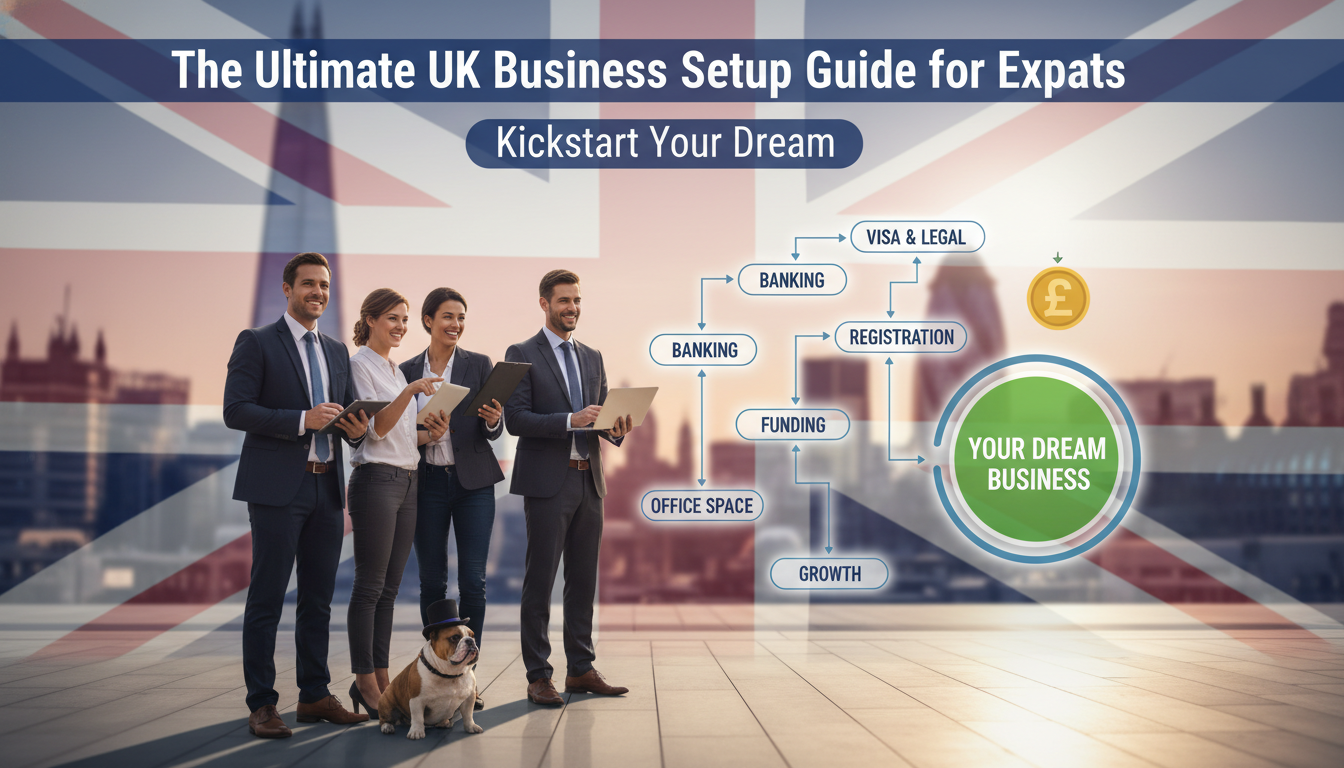
Want to Start a Small Business in UK as an Expat? Here is Your Ultimate Guide

So, you’ve moved to the land of double-decker buses, afternoon tea, and unpredictable weather. You love the vibe, but you’re itching to do something more than just sightsee or work a standard 9-to-5. You want to be your own boss. Well, you are in the right place because learning how to start a small business in UK as an expat is a fantastic journey that opens up a world of opportunities.
The United Kingdom is known for being one of the most business-friendly countries in the world. Whether you are in bustling London, creative Bristol, or industrial Manchester, the entrepreneurial spirit is alive and well. However, navigating the legalities when you aren’t a citizen can feel a bit daunting. Don’t worry, though! We’ve broken it down into bite-sized chunks to get you up and running without a headache.



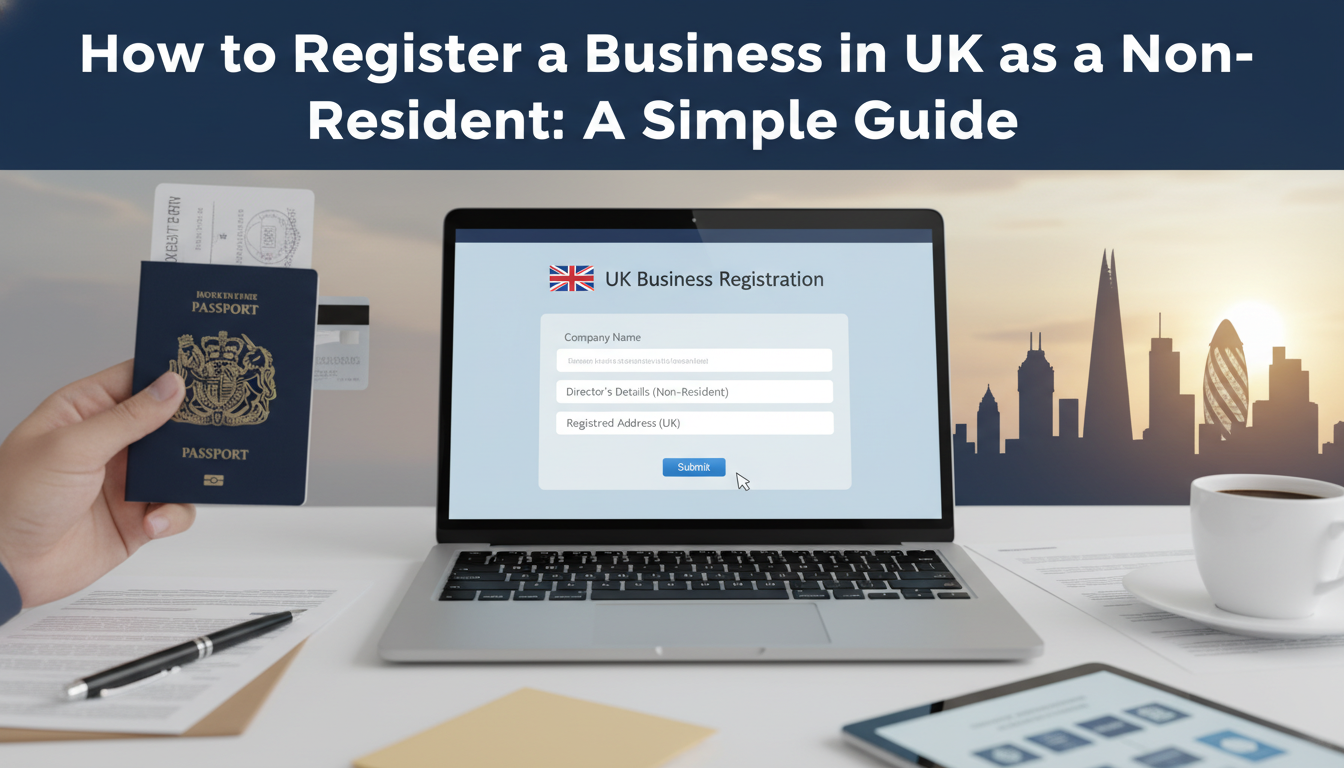


1. Check Your Visa Status First
Before you start printing business cards, we need to talk about the boring (but super important) stuff: legal permission. Not every visa allows you to start a small business in UK as an expat.
If you are on a Skilled Worker Visa, you generally can’t start a business that competes with your primary employment, and there are strict rules on supplementary work. You might need to look into specific visas designed for entrepreneurs, such as:
- Innovator Founder Visa: For those with a unique business idea endorsed by an approved body.
- Global Talent Visa: If you are a leader in fields like digital technology, arts, or science.
Always check the government website or consult an immigration lawyer to ensure you don’t accidentally breach your visa conditions.
2. Choose Your Business Structure
Once the legal right to work is sorted, you need to decide how you want to operate. In the UK, the two most common structures for small businesses are:
Sole Trader
This is the simplest route. You keep all your business profits after tax, but you are personally responsible for any losses your business makes. It involves less paperwork, which is great if you just want to test the waters.
Limited Company
This makes your business a distinct legal entity. It separates your personal finances from the business finances. While it involves more reporting and management, it can be more tax-efficient and offers liability protection.

3. Registering Your Business
If you decide to start a small business in UK as an expat as a Limited Company, you must register with Companies House. It costs a small fee and can be done online. You will need:
- A suitable company name (check if it’s available first!).
- An address for the company.
- At least one director and one shareholder.
- Details of the company’s shares.
If you go the Sole Trader route, you just need to register for Self Assessment with HMRC (Her Majesty’s Revenue and Customs).
4. Sort Out Your Banking and Taxes
Do not mix your personal grocery money with your business funds. It’s a recipe for disaster. Open a dedicated UK business bank account. Traditional high-street banks (like HSBC, Lloyds, or Barclays) are solid, but digital banks like Monzo, Starling, or Revolut are often much faster and more expat-friendly when setting up an account.
Understanding Taxes
- Corporation Tax: Paid by Limited Companies on profits.
- Income Tax: Paid on your salary or dividends.
- VAT (Value Added Tax): You must register for VAT if your turnover exceeds £90,000 (always check the current threshold).
5. Get Insured
The UK culture is big on health and safety and liability. Depending on your trade, you might need Public Liability Insurance or Professional Indemnity Insurance. It builds trust with clients and protects you if things go sideways.
Final Thoughts
Taking the leap to start a small business in UK as an expat is brave, but totally achievable. The ecosystem is supportive, the market is diverse, and the resources are plentiful. Just take it one step at a time, keep your paperwork tidy, and maybe get yourself a good accountant. Good luck, mate!