So, you’ve got a brilliant business idea and you’ve got your sights set on the British market. That is awesome! The UK is one of the best places in the world to start a business thanks to its robust economy and relatively straightforward bureaucracy. But if you aren’t a local, the process might feel a bit daunting. You might be asking yourself, “How to open a company in UK as an expat without getting lost in paperwork?”
Don’t panic. It is actually much easier than you might think. Whether you are already living in London or planning your move from overseas, this guide is going to walk you through exactly how to open a company in UK as an expat. Let’s dive in and turn that entrepreneurial dream into a reality.


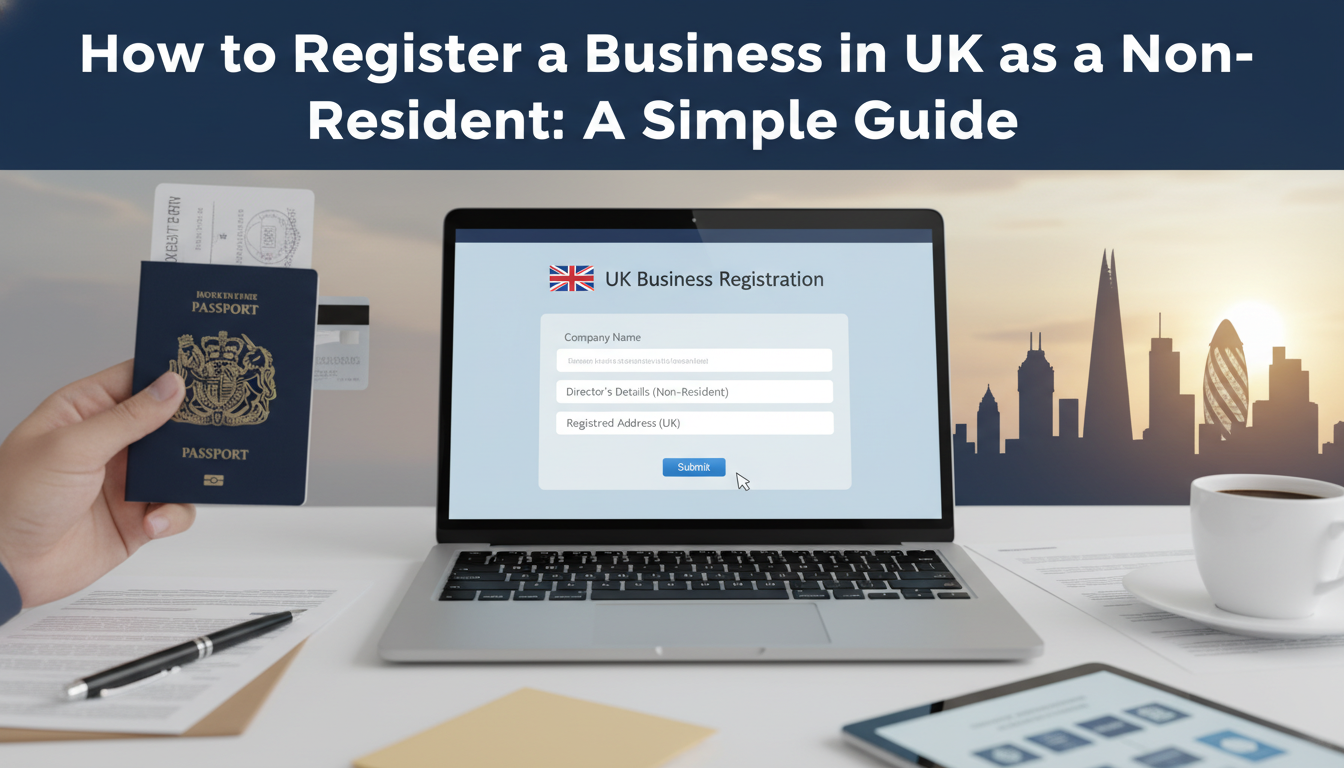



Can Expats Actually Start a Business in the UK?
The short answer? Absolutely! You do not need to be a UK citizen or even a permanent resident to register a company in the UK. The British government is pretty open to foreign investment and entrepreneurship. However, while forming the company is easy, living and working there to run it is where visa rules kick in (we will get to that in a bit).
If you are strictly looking at the logistics of how to open a company in UK as an expat, the requirements are quite minimal. You need at least one director and one shareholder (who can be the same person), and a registered UK address.
Step-by-Step: How to Open a Company in UK as an Expat
Ready to get official? Here is the breakdown of what you need to do to get your Limited Company (Ltd) up and running.
1. Choose a Unique Name
Your business name can’t be the same as (or too similar to) an existing one. You can use the Companies House name availability checker to see if your idea is taken. Also, avoid offensive words or sensitive terms unless you have permission.
2. Get a Registered Office Address
This is non-negotiable. You need a physical address in the UK where official mail can be sent. It cannot be a PO Box. If you don’t have an office yet, don’t worry! Many accountants and formation agents offer a “registered office service” for a small annual fee.
3. Appoint Directors and Shareholders
As mentioned earlier, you need at least one of each. You can be the sole director and hold 100% of the shares. You will need to provide personal details, but for security, you can use a service address to keep your home address off the public register.
4. Assign a SIC Code
This sounds technical, but it’s just a code that describes what your business does (e.g., “62020 – Information technology consultancy activities”). You will select this from a list during registration.
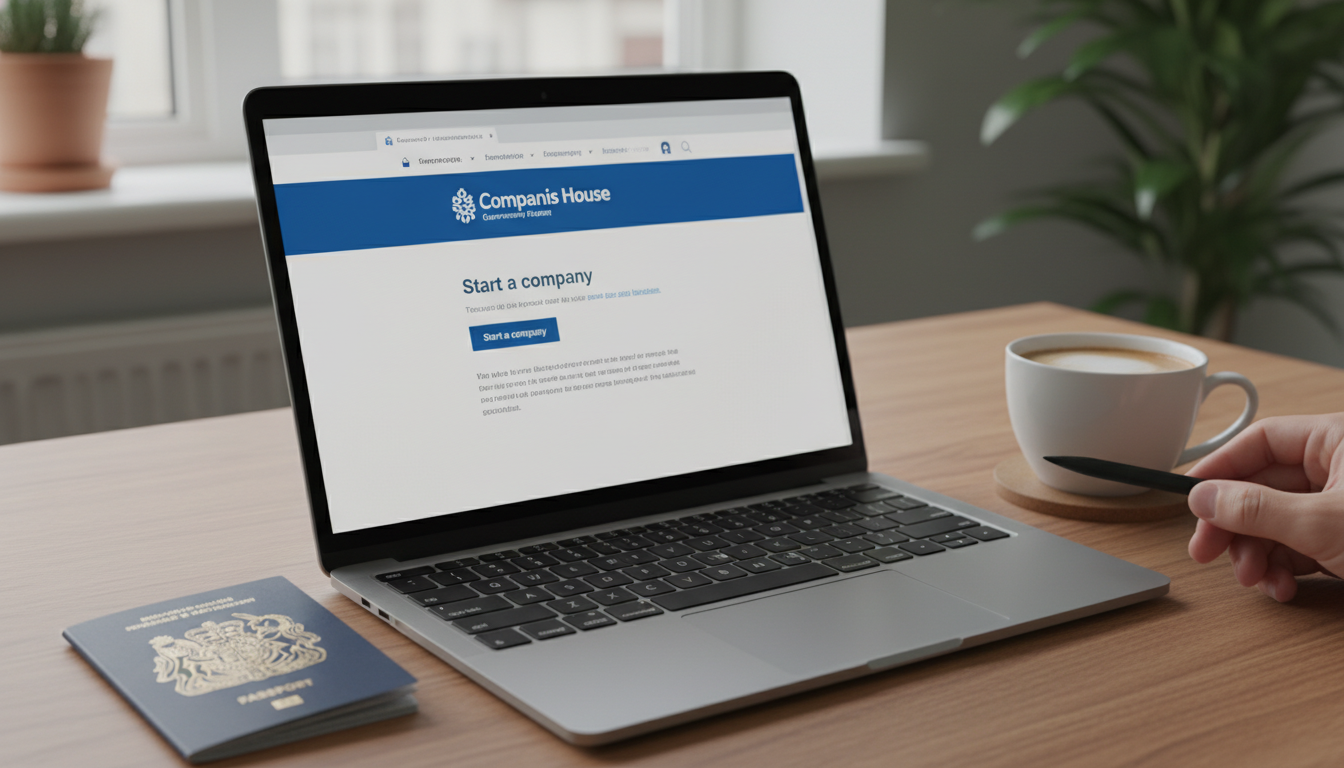
5. Register with Companies House
The actual registration process is usually done online. It costs a very small fee (often under £15) and can be approved in as little as 24 hours. Once approved, you will get a Certificate of Incorporation. Congratulations, your company officially exists!
The Tricky Part: Visas and Banking
Knowing how to open a company in UK as an expat involves more than just registration; it involves logistics.
Sorting Out Your Visa
If you plan to live in the UK to run your business, you cannot just hop on a tourist plane. You will likely need a visa. The most common routes include:
- Innovator Founder Visa: For those with a unique business idea endorsed by an approved body.
- Global Talent Visa: For leaders in digital technology, arts, or science.
- Skilled Worker Visa: If you are being “employed” by your own company (though this has complex sponsorship rules).
Opening a Business Bank Account
Ironically, registering the company is easy, but opening a high-street bank account as a non-resident director can be a headache due to anti-money laundering laws.
Pro Tip: Look into digital challenger banks (fintechs) like Wise, Revolut Business, or Starling. They are often much more expat-friendly and allow you to set up accounts online much faster than traditional banks.
Taxes and Staying Compliant
Once you have figured out how to open a company in UK as an expat, you need to stay on the right side of HMRC (Her Majesty’s Revenue and Customs).
- Corporation Tax: You must register for this within three months of starting business activity.
- VAT: If your annual turnover exceeds £90,000 (check current rates), you must register for VAT.
- Confirmation Statement: You need to file this once a year to confirm your company details are up to date.
Final Thoughts
Starting a business abroad is a big step, but the UK makes it surprisingly accessible. By following these steps on how to open a company in UK as an expat, you are setting yourself up for success in one of the world’s most dynamic markets. Just take it one step at a time, get your registered address sorted, and consider using a formation agent if you want to skip the admin headache. Good luck!